


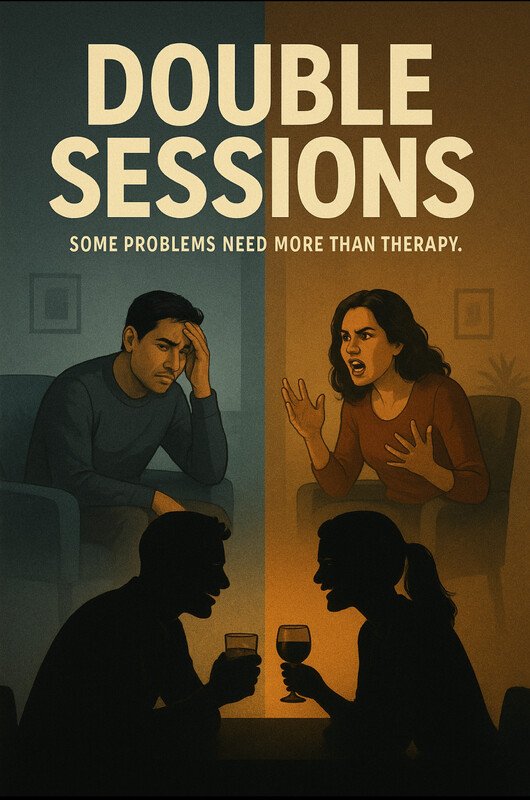
Two therapy sessions, two frustrated patients, and one very messy exploration of love, sex, and emotional disaster
W
ritwer Statement:
The first version of A Single Dead was something I poured my heart into.
It came from a desire to tell the story of a father who died on his child’s birthday but kept coming home every year with a cake—pretending he was still alive even as his body decayed.
I wanted to explore love after death, children pretending not to fear the father they already knew was gone, and the idea of letting go.
But…
That warm, sentimental ghost story got rejected by four festivals in a row.
So I tore it apart, stripped it down, and scraped it until the version that reflects who I really am—my darker, more cynical side—finally surfaced.
And that’s the version of A Single Dead you’re reading now:
a story rebuilt out of frustration, irony, and a refusal to play nice anymore.